
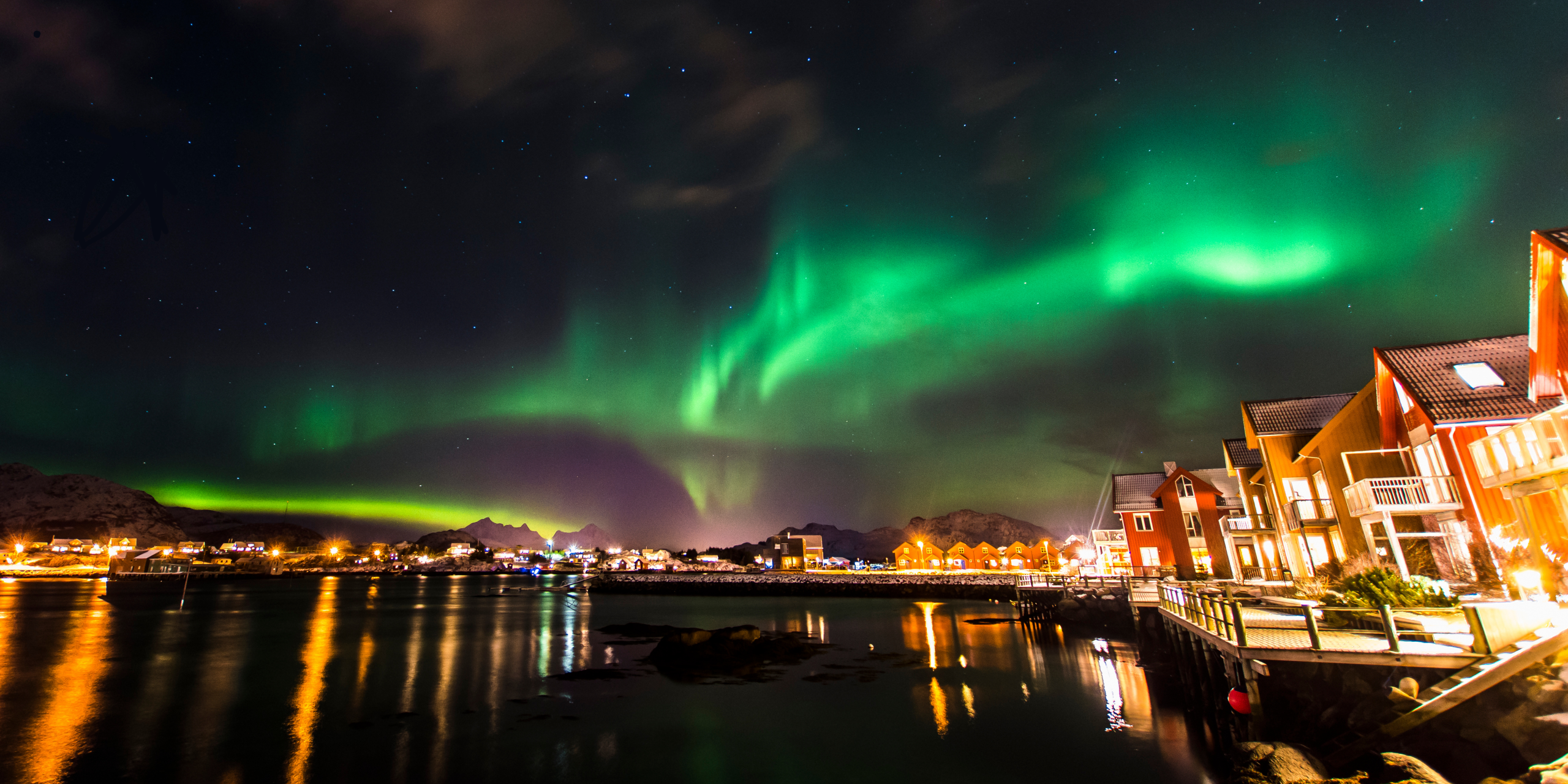
Watching the Northern Lights shimmer across the Arctic sky is pure magic — and it’s a memory your kids will carry for a lifetime. But chasing the aurora with children requires preparation to make the experience smooth, fun, and unforgettable.
Here’s everything families need to know before booking a Northern Lights adventure.

When To Go – The Northern Lights are most visible from September through March. Darkness is key because the aurora can’t be seen under the midnight sun. Winter also offers family-friendly activities like dog sledding, ice caves, snowshoeing, and reindeer safaris, which make the trip exciting for kids of all ages.
Why Winter Makes the Difference – Auroras appear when charged particles from the sun collide with Earth’s atmosphere. But they’re only visible when the sky is dark. That’s why summer, with its long daylight hours, makes aurora sightings nearly impossible. Winter trips give you the contrast you need to see the sky come alive.
Best Family-Friendly Destinations For Viewing The Northern Lights

Iceland: Easy to navigate, with waterfalls, geothermal pools, and family-friendly lodges.
Northern Norway: Cozy lodges and child-friendly excursions.
Finnish Lapland: Glass igloos, reindeer farms, and winter activities for kids.
Alaska (Fairbanks): Reliable aurora sightings plus husky rides and wilderness fun.
Why 2026 Is a Great Year To See The Northern Lights – The Northern Lights follow an 11-year solar cycle, and 2026 will be near the solar maximum. That means stronger, more frequent auroras. Perfect for a family adventure.
Managing Late Nights – The best displays often occur between 10 p.m. and 2 a.m. Keep kids’ expectations realistic, pack snacks, cocoa, blankets, and make it a cozy stargazing adventure instead of a stressful outing.
Dress for Success – Layering is key. Thermal base layers, insulated boots, mittens, and hand warmers will keep everyone warm and happy during outdoor viewing sessions.
Accommodation Matters – Choose lodges or cabins near viewing areas so you can step outside quickly when the aurora appears. Glass igloos or family suites make the experience magical without exhausting little ones with long drives.

Daytime Fun Keeps the Trip Exciting – Even if the aurora is hiding behind clouds, your days can be full of adventure: snowshoeing, husky rides, hot springs, and exploring local winter landscapes.
Make It Educational – Teaching kids the science behind the Northern Lights — how oxygen and nitrogen create different colors — adds depth and wonder to the experience.
Plan for Flexibility – Weather is unpredictable. Stay 3–4 nights in your viewing area to maximize your chance of seeing the aurora and to reduce stress if skies are cloudy.
With planning and the right accommodations, seeing the Northern Lights as a family becomes more than a trip — it’s a shared adventure filled with wonder, learning, and unforgettable memories.